
The UAE offers multiple internationally recognised financial centres. DIFC and ADGM both operate under sophisticated regulatory frameworks and are aligned with global supervisory standards. Choosing between them should be a strategic decision grounded in operational fit and long-term objectives.

The Money Laundering Reporting Officer represents one of the most critical compliance functions in financial services firms operating within the DIFC and ADGM. As regulatory expectations intensify and financial crime risks evolve, the MLRO role has expanded significantly beyond basic suspicious transaction reporting. For wealth management firms, asset managers, fund managers, and private banking institutions, understanding the full scope of MLRO responsibilities has become essential to maintaining regulatory compliance and managing operational risk.

The Financial Services Regulatory Authority of ADGM implemented a comprehensive cyber risk management framework effective January 31, 2026, following extensive industry consultation. This framework establishes mandatory requirements for authorized persons and recognized bodies operating in Abu Dhabi Global Market. For wealth management firms, asset managers, fund managers, and private banking institutions, understanding and implementing these requirements represents a critical compliance priority with significant operational implications.

Financial services firms operating in the DIFC continue to face evolving expectations around suitability assessments. Recent regulatory communications have reinforced the importance of robust frameworks that ensure financial products and services align appropriately with client needs. For wealth management companies, asset managers, private banking institutions, and financial advisory firms, understanding and implementing effective suitability processes represents both a regulatory obligation and a business imperative.
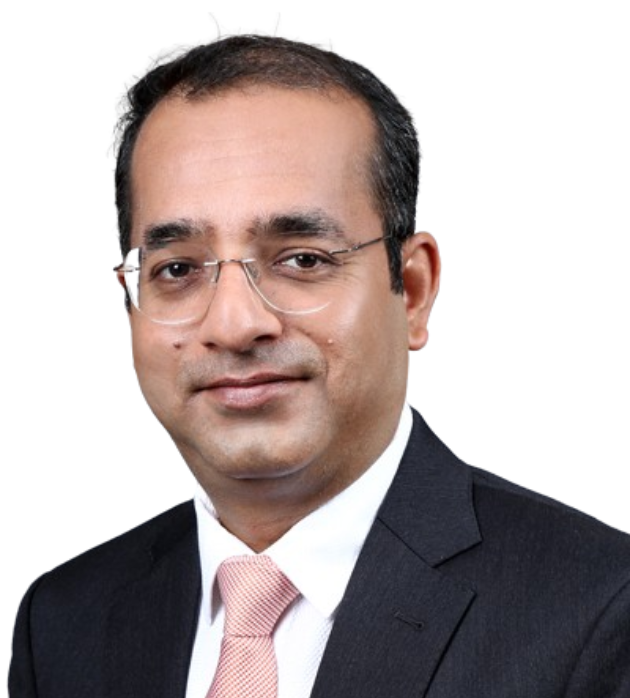 Zubin Muriya is a seasoned Governance, Risk, and Compliance (GRC) professional with over two decades of cross-jurisdictional experience in banking regulatory compliance, financial crime risk management, corporate governance framework, and audit advisory. His work across India and the GCC (UAE, Qatar, Bahrain) reflects a career rooted in regulatory rigor and operational integrity.