
Suitability and client protection are core pillars of conduct regulation. In DIFC and ADGM, firms must ensure that services, advice, or investment decisions are appropriate for the client’s classification, objectives, and risk tolerance. This requires structured processes and clear documentation.

In regulated financial environments such as DIFC and ADGM, accountability is not symbolic. It is structural. Even where key functions are outsourced, the governing body and senior management retain full responsibility for regulatory compliance, risk management, and AML effectiveness.

An effective AML framework is one of the most scrutinised components of a regulated firm. In DIFC and ADGM, regulators expect AML systems to be risk-based, documented, and demonstrably operational. A well-designed AML program protects the firm, its clients, and the integrity of the financial system.

The UAE offers multiple internationally recognised financial centres. DIFC and ADGM both operate under sophisticated regulatory frameworks and are aligned with global supervisory standards. Choosing between them should be a strategic decision grounded in operational fit and long-term objectives.

The Money Laundering Reporting Officer represents one of the most critical compliance functions in financial services firms operating within the DIFC and ADGM. As regulatory expectations intensify and financial crime risks evolve, the MLRO role has expanded significantly beyond basic suspicious transaction reporting. For wealth management firms, asset managers, fund managers, and private banking institutions, understanding the full scope of MLRO responsibilities has become essential to maintaining regulatory compliance and managing operational risk.
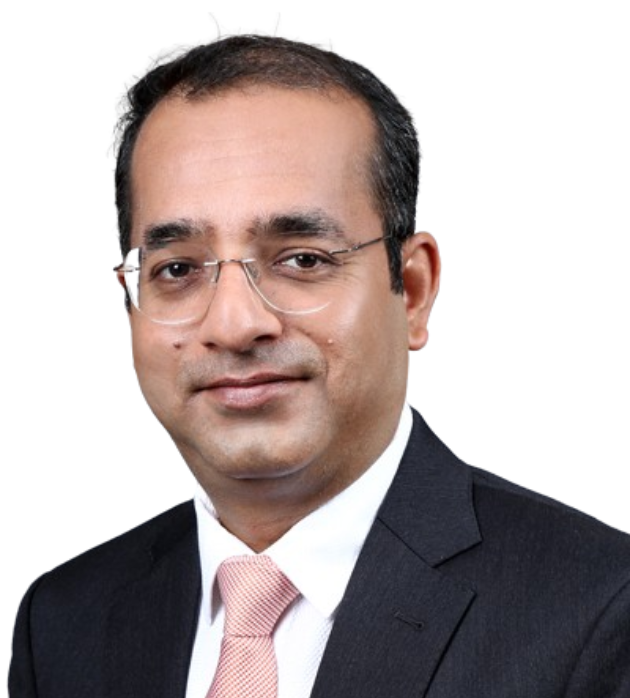 Zubin Muriya is a seasoned Governance, Risk, and Compliance (GRC) professional with over two decades of cross-jurisdictional experience in banking regulatory compliance, financial crime risk management, corporate governance framework, and audit advisory. His work across India and the GCC (UAE, Qatar, Bahrain) reflects a career rooted in regulatory rigor and operational integrity.