Asset tokenization has emerged as one of the most significant developments in global finance. By converting real-world assets into digital tokens on a secure distributed ledger, tokenization creates new pathways for ownership, participation, and liquidity. This concept is gaining traction not only in technology circles but also among private banks, family offices, external asset managers (EAMs), and wealth-management firms seeking more flexible investment structures.
The United Arab Emirates, especially Dubai and Abu Dhabi, is positioning itself as a global leader in this field. With dedicated frameworks under VARA, DIFC and ADGM, the UAE now offers one of the world's most comprehensive regulatory environments for virtual assets, digital securities, and tokenized investment structures.
This article explores how tokenization works, how the UAE's regulatory ecosystem approaches the concept, and how this evolution may reshape the future of wealth management, Dubai family offices, and external asset managers.
What Is Asset Tokenization
Asset tokenization refers to the process of representing real-world assets, or the economic rights attached to them, as digital tokens on a blockchain. These tokens can represent:
-
fractional ownership
-
profit or income rights
-
access or usage rights
-
participation in future cash flows
Unlike traditional ownership structures, tokenization allows an asset to be divided into smaller digital units. Investors can acquire fractions of assets such as:
-
income-generating real estate
-
private equity stakes
-
infrastructure projects
-
trade finance pools
-
commodities or collectibles
-
private credit portfolios
Instead of requiring large minimum capital commitments, tokenized structures enable more flexible and diversified participation.
This is particularly relevant for wealth-management firms, EAMs, and family offices that want to customise portfolio allocation without committing heavily to single assets.
Why the UAE Is Emerging as a Global Hub
The UAE has become a frontrunner in digital asset regulation. Unlike many jurisdictions that apply a single regulatory approach, the UAE offers multiple, clearly defined regulatory paths. This gives tokenization platform operators, issuers, custodians, and wealth-management firms several options depending on their business model and investor profile.
The three important regulatory bodies are:
-
VARA (Dubai Virtual Assets Regulatory Authority)
-
DFSA / DIFC (Dubai International Financial Centre)
-
FSRA / ADGM (Abu Dhabi Global Market)
Each has its own set of rules, governance expectations, and licensing categories.
How VARA Approaches Tokenization
VARA regulates virtual assets across the Emirate of Dubai (excluding DIFC). It has created a specialised framework that governs:
-
token issuance
-
custody
-
trading
-
brokerage and dealing
-
platform operations
-
marketing and distribution
Under the VARA rulebooks, tokenization initiatives require a regulated structure with transparency around:
-
asset backing
-
valuation methodology
-
custody arrangements
-
audit trails
-
investor protection mechanisms
Real-estate tokenization projects have shown significant interest in the VARA landscape, mainly because Dubai's property market attracts global investors and fractional access can allow broader participation.
For tokenized real-estate or private credit structures aimed at Dubai retail or mass-affluent investors, VARA provides the most directly applicable licensing route.
How ADGM Regulates Tokenization
The Financial Services Regulatory Authority (FSRA) of ADGM was one of the first in the region to publish comprehensive guidance on virtual asset activities. ADGM's framework is known for:
-
institutional-grade regulatory clarity
-
strong technology governance standards
-
detailed custody rules
-
comprehensive risk-management requirements
-
suitability and conduct-of-business obligations
Tokenized funds, digital securities, and institutional tokenization projects often find ADGM attractive because:
-
It operates under an English common-law system.
-
It supports fund structures, SPVs and holding companies.
-
It is geared toward professional investors and sophisticated wealth-management structures.
For family offices, private banks and EAMs working with global clients, ADGM's structured environment is often preferred for launching tokenized investment vehicles.
How DIFC / DFSA Approach Tokenization
The DIFC ecosystem has evolved significantly with the introduction of the DIFC Digital Assets Law, which recognises digital assets as a form of property. The DFSA, acting as the regulator, has been gradually expanding its scope to include:
-
investment tokens
-
digital-asset custody
-
tokenized fund structures
-
specialised asset-management activities
DIFC is ideally suited for:
-
private wealth structures
-
EAM platforms
-
family office portfolios
-
regulated fund managers
-
hybrid structures combining traditional and digital assets
The clarity provided by the DIFC Digital Assets Law strengthens legal enforceability, an important factor for family offices and cross-border investors who require certainty around rights, custody, and dispute resolution.
Potential Impact on Wealth Management and Family Offices
Tokenization may evolve into an important tool for UAE wealth-management firms, private banks, and family offices. Several factors contribute to this:
1. Greater Diversification
Fractional ownership lowers minimum investment levels and allows portfolios to include:
-
trophy real-estate assets
-
rare collections
-
private-credit deals
-
infrastructure projects
-
private equity secondaries
This makes it easier for EAMs and family offices to build diversified portfolios across multiple alternative-asset classes.
2. Liquidity for Traditionally Illiquid Assets
Tokenized structures can facilitate secondary trading. Even if liquidity remains limited in early stages, the potential for exit flexibility is much higher than with conventional ownership.
3. Enhanced Transparency
Blockchain-based systems provide:
-
immutable transaction records
-
clear audit trails
-
digital verification of ownership
-
better reconciliation for asset managers
This is particularly useful for regulated wealth-management entities in DIFC and ADGM.
4. Flexibility in Wealth-Structuring
Tokenized interests can be integrated into:
-
DIFC foundations
-
ADGM foundations
-
SPV holding structures
-
family trusts
-
succession planning frameworks
For families with multi-jurisdictional assets, tokenization can simplify fractional transfer, inheritance arrangements, or asset consolidation.
5. Broader Investor Reach
Regulated tokenized offerings may attract international investors who want exposure to Dubai's real-estate or alternative-investment landscape without requiring full ownership.
Operational and Regulatory Considerations
Despite the potential benefits, tokenization requires careful structuring. Some practical challenges include:
-
liquidity limitations in secondary markets
-
valuation complexities for privately held or illiquid assets
-
compliance obligations across UAE regulatory zones
-
ensuring proper custodial arrangements
-
protecting investor rights in off-chain assets
-
managing technology-related risks
-
conducting due diligence on token standards and smart contracts
These factors make regulatory clarity essential. The multi-layered regulatory ecosystem of VARA, ADGM and DIFC provides different levels of oversight depending on the nature of the offering.
How This May Transform the Industry
Tokenization has the potential to reshape the future of wealth management across the UAE. Some likely outcomes include:
1. Expansion of New Investment Products
EAMs, family offices and DIFC fund managers may introduce:
-
tokenized feeder funds
-
fractional real-estate portfolios
-
tokenized private equity pools
-
yield-based token structures
-
co-investment programs
This may widen the range of investment structures available to sophisticated investors.
2. Rising Institutional Participation
As regulations mature, regulated firms may increasingly adopt tokenization for portfolio management and alternative-investment strategies.
3. Evolution of Wealth-Structuring Models
DIFC and ADGM foundations, SPVs and holding companies may incorporate tokenized assets for:
-
estate planning
-
intra-family transactions
-
consolidation of multi-jurisdictional holdings
4. Potential Global Positioning
By embracing tokenization early through clear rules, Dubai and Abu Dhabi are positioning themselves as long-term hubs for global asset digitisation. This may attract global fund managers, digital-asset issuers, and private-wealth structures into the region.
Conclusion
Asset tokenization is becoming an important part of modern finance. The UAE's regulatory framework, led by VARA, DIFC and ADGM, provides a structured and evolving environment for issuers, custodians, fund managers, and wealth-management firms to explore digital representations of real-world assets.
Every jurisdiction offers its own advantages, giving firms flexibility to choose the model that best suits their asset type, investor profile, and operational requirements. As tokenization matures, it may significantly influence wealth management, family-office strategies, and the EAM landscape in Dubai.
The shift is still in progress, and the coming years will determine how widely tokenized assets are adopted in practice. However, the UAE's early regulatory clarity provides a strong foundation for future innovation while maintaining safeguards essential for regulated financial environments.
This blog is for informational purposes only and does not constitute legal or regulatory advice. The information provided has been compiled from publicly available sources, and while we have made every effort to ensure its accuracy and relevance at the time of publication, we do not guarantee its completeness or applicability to specific situations. Readers are encouraged to seek independent professional advice before making any decisions based on the content herein.
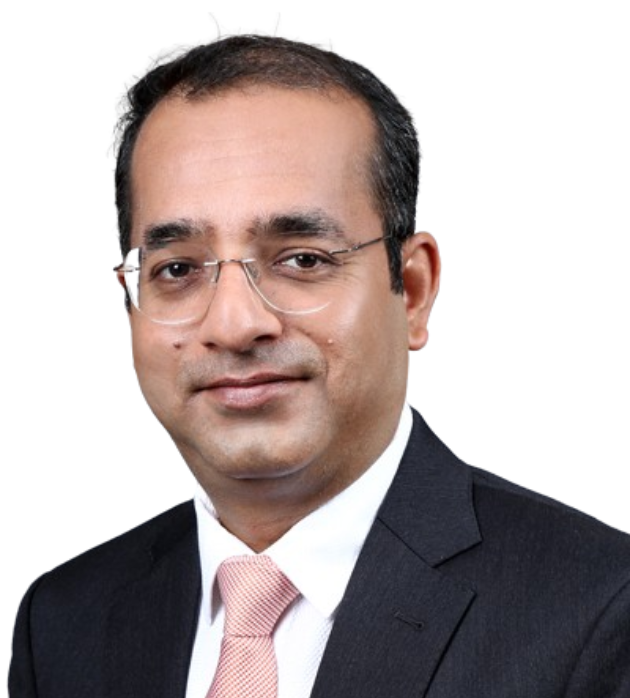 Zubin Muriya is a seasoned Governance, Risk, and Compliance (GRC) professional with over two decades of cross-jurisdictional experience in banking regulatory compliance, financial crime risk management, corporate governance framework, and audit advisory. His work across India and the GCC (UAE, Qatar, Bahrain) reflects a career rooted in regulatory rigor and operational integrity.