
In DIFC and ADGM, authorisation is a significant milestone. However, it is not the point at which regulatory responsibility begins. It is the point at which continuous regulatory engagement truly starts. A firm that views licensing as the finish line often struggles with supervisory expectations in its early years.
Both the DFSA and the FSRA operate under risk-based supervision. This means regulators do not assess firms purely on the existence of policies, but on the effectiveness of implementation, oversight, and accountability. Governance must therefore be embedded into the firm’s operating model from inception.
A strong foundation begins with clarity of scope. The firm must understand exactly what activities it is authorised to conduct and ensure that its business plan, staffing, systems, and controls reflect that scope. Where there is mismatch between approved activities and actual conduct, regulatory risk increases quickly.
The second pillar is accountability. Senior management must understand their obligations and demonstrate oversight. This includes receiving meaningful management information, reviewing AML performance, monitoring breaches, overseeing financial resources, and documenting challenge and decision-making. Governance is not passive reporting. It requires engagement and evidence.
AML design is equally central. A firm should implement a risk-based AML program aligned to its client base, products, delivery channels, and geographic exposure. The business risk assessment should not be a static document. It should guide due diligence standards, enhanced due diligence triggers, transaction monitoring calibration, and reporting processes.
Documentation matters, but documentation alone is not enough. Regulators increasingly assess whether controls operate in practice. Are onboarding files complete? Are suitability assessments evidenced? Are escalations documented? Are periodic reviews conducted on time? Are compliance monitoring findings tracked to closure?
The firms that succeed long term treat governance as infrastructure. They design reporting lines carefully. They define responsibilities clearly. They ensure compliance and AML functions have independence and access to decision-makers. They plan for scale without diluting controls.
VelthRad’s perspective is that governance should be structured from day one, not retrofitted later. When governance and AML frameworks are integrated into the business model at inception, firms reduce friction during supervision, improve investor confidence, and establish credibility in the market. In regulated environments, discipline is not a constraint. It is a stabilising force that supports sustainable growth.
Disclaimer
The information contained on this website, including blog articles and commentary, is provided for general informational purposes only. It does not constitute legal, regulatory, tax, investment, or professional advice.
While every effort is made to ensure that the content is accurate and up to date, regulatory frameworks in the UAE, including those applicable to DIFC and ADGM, are subject to change. Readers should not rely on this information as a substitute for obtaining specific professional advice tailored to their individual circumstances.
Nothing on this website creates a client relationship, fiduciary duty, or advisory engagement with VelthRad Consultants. Engagements are undertaken only pursuant to a formal written agreement.
VelthRad Consultants does not accept liability for any loss or damage arising from reliance on the information provided on this website.
Readers are encouraged to seek independent professional advice before making any regulatory, business, or investment decisions.
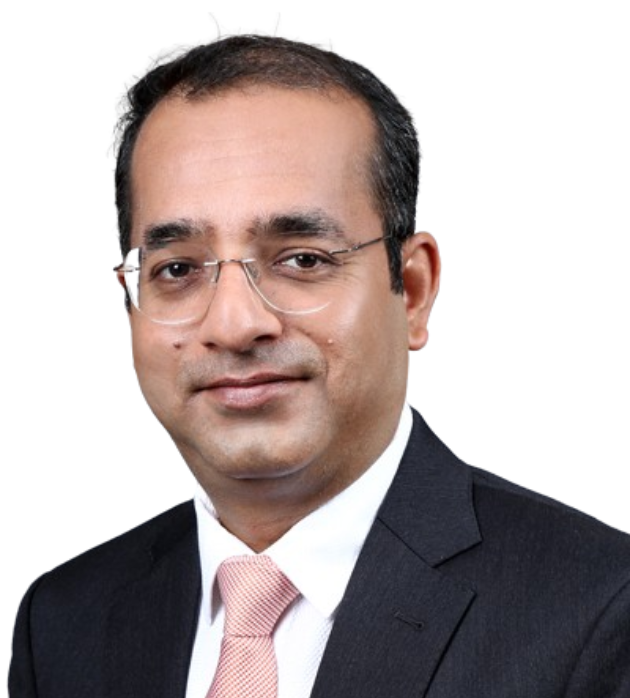 Zubin Muriya is a seasoned Governance, Risk, and Compliance (GRC) professional with over two decades of cross-jurisdictional experience in banking regulatory compliance, financial crime risk management, corporate governance framework, and audit advisory. His work across India and the GCC (UAE, Qatar, Bahrain) reflects a career rooted in regulatory rigor and operational integrity.